
June 29, 2025
Summer isn’t just a season; it’s a vibrant, delicious explosion of fresh produce! From juicy berries to plump tomatoes, this is prime time for enjoying nature’s bounty. Whether you’re heading to a farm, nurturing your own garden, or whipping up simple, fresh meals, here’s how to make the most of fruit and vegetable season.
The Thrill of the Pick: Finding Local Farms
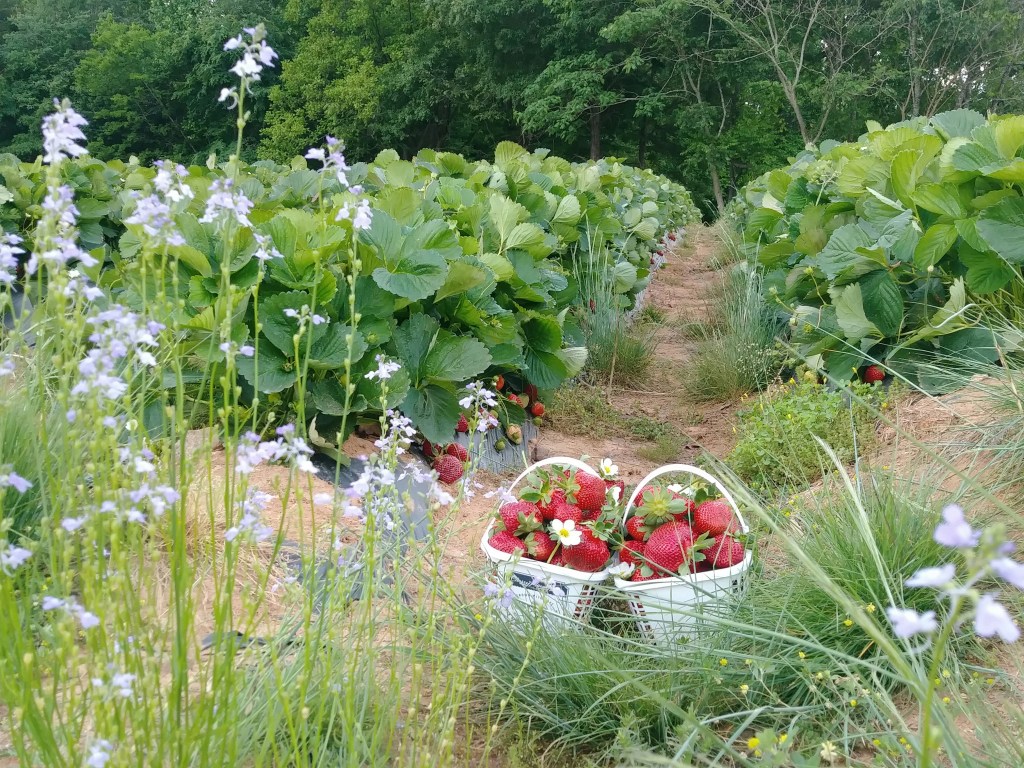
Photo credit: Karolina Bobek (Unsplash)
There’s something uniquely satisfying about picking your own produce. It’s an activity that connects you directly to your food, offers a fun outing for all ages, and results in the freshest possible ingredients.
Finding U-Pick Farms Near You: To locate fruit and vegetable picking farms in your vicinity, online resources are your best bet. Begin with a general browser search for phrases like “U-pick farms near me” or “U-pick farm [Your State] [Your County/Local Area].”
Specialized online directories, such as PickYourOwn.org, are excellent tools. On these platforms, you typically select your state and local area to find a comprehensive list of farms, details on what produce they offer, and their seasonal availability.
Your state’s Department of Agriculture website may also be a valuable resource, since these often provides detailed listings of local farms and their offerings. While a general browser search is usually effective, you can also utilize map services like Google Maps by searching “U-pick farms near me” to geographically visualize locations, and how near or far they are from you.
Picking Perfection: Watermelons & Cherries
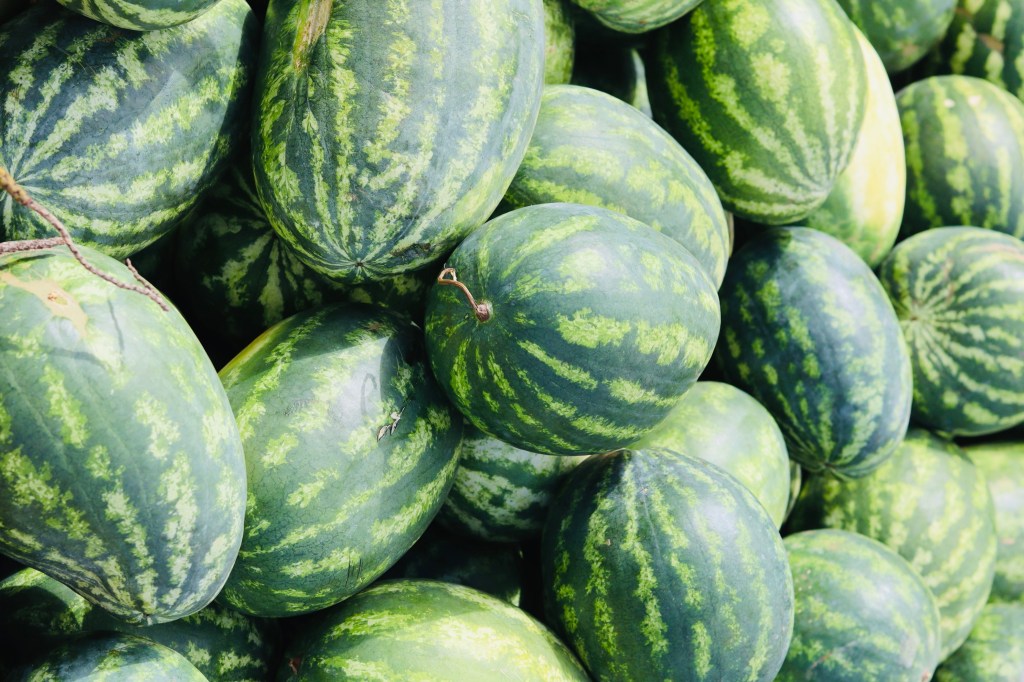
Photo credit: J D (Unsplash)
Knowing how to spot a ripe fruit can elevate your culinary game.
- How to pick a good watermelon: The quest for the perfect watermelon involves a few sensory checks:
- Look for the Field Spot: This is arguably the most crucial indicator. A ripe watermelon will have a large, creamy yellow or orange-yellow patch (where it rested on the ground). If it’s white or light green, it’s likely not ripe enough.
- It Should Be Heavy: Pick it up! A ripe watermelon will feel heavier than it looks due to its high water content.
- Knock, Knock: Give it a good thump. A ripe watermelon should produce a deep, hollow sound. This hollow sound indicates that the flesh inside is mature and full of water, allowing the sound waves to resonate freely. Under-ripe melons will sound dull, while overripe ones might sound flat. Learning how to distinguish the sounds using this method may take some practice.
- Check the Stem: A dry, shriveled stem (or where the stem was) indicates the melon ripened on the vine. A green stem might mean it was picked too early.
- Infographic: A helpful infographic can be found by clicking here.
- Should you pick cherries with the stem? From the perspective of keeping the cherries fresh for as long as possible, it’s best to pick them with the stem attached, unless you’re going to eat them right away. Keeping the stem on prevents moisture loss and keeps bacteria from entering the fruit where the stem was attached. Cherries without stems tend to spoil much faster. However, some U-pick farms may ask that you do not pick the stems, because this helps prevent damage to the tree.
Ripening Hacks: Bananas, Kiwis & The Magic of Paper Bags
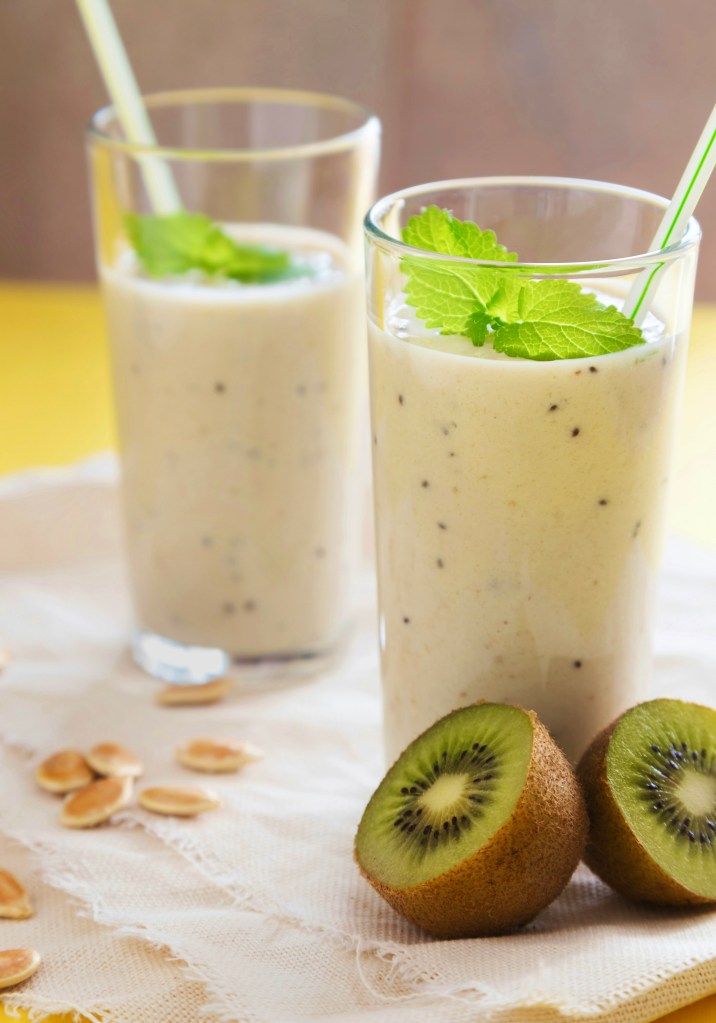
Photo credit: Elena Leya (Unsplash)
Sometimes, patience isn’t a virtue, especially when you need ripe fruit now.
- Why do paper bags ripen fruit? Paper bags help ripen fruit by trapping the ethylene gas that fruits naturally release. Ethylene is a ripening hormone. By containing this gas, its concentration around the fruit increases, signaling the fruit to ripen faster. The paper bag is permeable enough to allow for some airflow, preventing moisture build-up that could lead to mold.
- How to ripen kiwis fast: Place kiwis in a paper bag with an apple or banana. These fruits release ethylene gas, a natural plant hormone that accelerates ripening. Seal the bag loosely and check daily. Your kiwis should ripen significantly faster, often within 1-3 days.
- Softening bananas in the oven: This is a fantastic technique for when you need overly ripe bananas for baking (like when the craving for banana bread strikes) but only have firm, yellow (or slightly green) ones. It only works for that purpose though; you cannot use this method to turn very green bananas into ones that you can eat without baking. In that case, you’d just get a starchy, mushy mess!
- Preheat your oven to a low temperature, about 300°F (150°C).
- Place unpeeled bananas on a baking sheet lined with parchment paper.
- Bake for 20-40 minutes, or until the banana peels turn completely black and shiny. The exact time needed will depend on how ripe the bananas are to begin with, and how large they are.
- Remove them from the oven, let them cool, then peel. The flesh inside will be soft and sweet, perfect for mashing.
Garden Wisdom: Growing & Nurturing Your Own
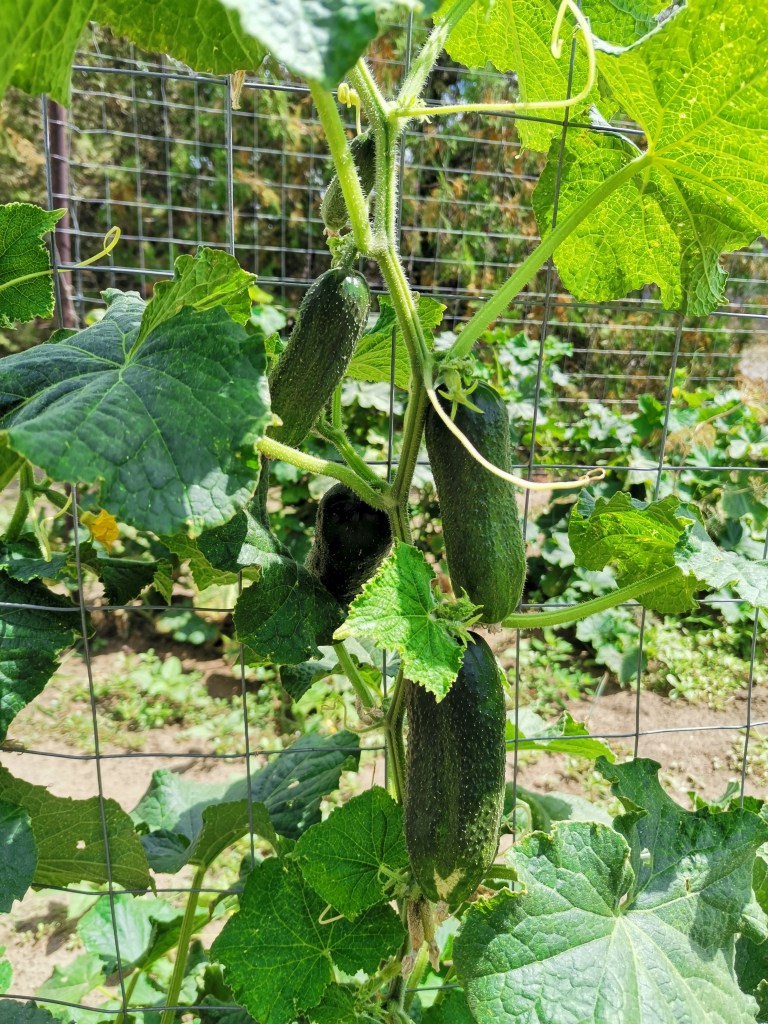
Photo credit: Laszlo Velkei (Unsplash)
For those with a green thumb, growing your own produce is incredibly rewarding. But even seasoned gardeners sometimes have questions. Here are answers to commonly asked inquiries.
- Why do plants produce fruit? Plants produce fruit primarily as a means of seed dispersal. The fruit acts as an attractive package (often sweet and colorful) to entice animals to eat it. Once the animal eats the fruit, the seeds pass through its digestive system and are deposited elsewhere, allowing the plant to spread and reproduce.
- Should you pick strawberries in the first year? It’s generally recommended to remove the flowers from June-bearing strawberry plants in their first year. This allows the plant to focus its energy on establishing a strong root system, leading to a much more robust and productive harvest in subsequent years. The flowers should be pruned by clipping or pinching the stem close to the plant’s base. Avoid pulling on the stem, as this risks uprooting the plant. If you’d like to be able to eat the berries in the first year, the exceptions to this rule are the ever-bearing and day-neutral varieties of strawberries. These still need to have their earliest flowers pruned, but they flower again later in the growing season, and it’s okay to let that round of strawberries grow and be harvested once they’re ripe enough to eat.
- Why do tomato leaves curl? Tomato leaf curl can be caused by several factors, including:
- Environmental Stress: Extreme heat, drought, or overwatering can lead to leaf curl as the plant tries to conserve moisture.
- Physiological Leaf Roll: Some varieties are prone to their leaves rolling upwards, especially during hot, sunny weather, as a natural protective mechanism to prevent water loss. This is generally harmless.
- Nutrient Deficiencies/Excesses: Imbalances in soil nutrients can sometimes cause curling.
- Herbicides: Exposure to herbicides can occur from neighboring lawn care treatments or as a residue on various commercially-bought products. Tomatoes are sensitive to this, and this can cause leaf curl.
- Pests or Diseases: Less commonly, certain pests (like aphids) or viral diseases can cause severe curling and distortion. If accompanied by other symptoms like yellowing, spots, or stunted growth, investigate further.
- Why do cucumbers get bitter? Cucumbers can become bitter due to a compound called cucurbitacin. This bitterness is often intensified by:
- Environmental Stress: Inconsistent watering, extreme temperatures (too hot or too cold), or nutrient deficiencies can stress the plant, leading to higher cucurbitacin levels.
- Genetics: Some older or heirloom varieties are more prone to bitterness than modern, “burpless” hybrids.
- Over-ripening: Cucumbers left on the vine too long can also develop bitterness.
Fresh Tomato Recipes: A Summer Staple
Photo credit: Eli Bensimon (Unsplash)
When tomatoes are at their peak, their flavor is unparalleled. Here are some must-try recipes to celebrate them:
- Fresh Tomato Salsa: The ultimate fresh, vibrant dip or topping. This recipe from Simply Recipes (Fresh Tomato Salsa) is a top-rated choice.
- Cherry Tomato Pasta: Simple, bursting with flavor, and so satisfying. Love & Lemons offers a fantastic version of this (Cherry Tomato Pasta).
- Tomato Sandwich: Don’t underestimate the simple beauty of a perfectly ripe tomato on bread. America’s Test Kitchen, a trusted source, shares their secrets (including a surprising ingredient!) for a great tomato sandwich: America’s Test Kitchen Tomato Sandwich.
- Top Trending “Viral” Tomato Dishes: The concept taking the internet by storm is the ease and deliciousness of baking a block of feta (or Boursin) cheese surrounded by cherry tomatoes. This creates a creamy, flavorful base for both dips and pasta casseroles. Here are some popular variations:
- Tomato Feta Pasta with Chicken: The popular sensation gets a protein boost in this recipe from Dad with a Pan (Tomato Feta Pasta with Chicken). For the updated original version as it appears on Instagram, check out: feelgoodfoodie Baked Feta Pasta.
- Cherry Tomato Boursin Pasta: For a creamy, savory twist using Boursin cheese, sun-dried tomatoes, and fresh spinach, see this TikTok variation: justataste Boursin Pasta.
- Feta Tomato Dip: A hot, bubbly, cheesy dip perfect for chips or crusty bread, as seen in this TikTok video: everything_delish Baked Feta Tomato Dip.
This summer, embrace the season’s incredible bounty. Whether you’re picking it yourself, growing it from scratch, or just finding the best at your local market, there’s a world of fresh, delicious possibilities waiting for you.
Top photo credit: Nina Luong (Unsplash)
#SummerFruit #VegetablePicking #GardenTips #FreshProduce #TomatoRecipes #WatermelonHacks #CherryPicking #KitchenHacks #FruitRipening #FarmFresh #HomeCooking



 The Wellspring Find
Leave a comment